
Suburban communities' evolution from rural roots to modern metropolitan areas is driven by economic shifts, technological advancements, and changing lifestyles. Real estate naturally facilitates this transition, transforming agricultural lands into housing subdivisions. Balancing growth with preserving historical essence is crucial for local governments through strategic land-use planning. Mixed-use projects integrating residential, retail, recreational, and commercial spaces enhance life quality and promote sustainable growth. Early exploration of suburban options offers homebuyers advantages like larger spaces and better amenities. Real estate plays a central role in shaping vibrant communities catering to diverse needs, fostering community engagement, and promoting ecological well-being.
The evolution of rural communities into suburban landscapes is a significant aspect of modern urbanization, reshaping the way we live and interact with our surroundings. This transformation presents both opportunities and challenges in various sectors, particularly within real estate. As urban boundaries expand, understanding the unique dynamics between rural heritage and modern suburban lifestyles is crucial for effective planning and development. This article delves into this complex interplay, offering insights into how these environments can harmoniously coexist and thrive. By examining historical roots, current trends, and potential strategies, we aim to provide valuable perspectives for stakeholders in the real estate sector and beyond.
Rural Roots: Understanding the Origin

Many suburban communities today trace their origins back to rural beginnings, a historical evolution shaped by economic shifts, technological advancements, and changing lifestyles. Understanding this rural root is essential in appreciating the unique character and development of these areas. Historically, rural landscapes were defined by agricultural practices, supporting local economies and fostering tight-knit communities. As time progressed, industrialization and improved transportation revolutionized access to urban centers, prompting a gradual transition from agrarian lifestyles to more suburban patterns. This shift is evident in the growth of small towns that, over generations, morphed into vibrant suburbs.
Real estate naturally plays a pivotal role in this transformation. The appeal of rural living, characterized by expansive open spaces and closer connections to nature, has drawn residents seeking an alternative to urban congestion. As cities expanded, suburban real estate became increasingly sought-after for its promise of larger homes, lush yards, and peaceful neighborhoods. This demand led developers and builders to capitalize on the potential, transforming agricultural lands into housing subdivisions, catering to families and individuals escaping the hustle and bustle of city life. For instance, a study by the National Association of Realtors (NAR) revealed that suburban areas consistently rank as the most desirable locations for home buyers, underscoring the enduring allure of rural roots in modern suburban lifestyles.
However, navigating this evolution requires careful consideration. Preserving the unique character of these communities while accommodating growth is a delicate balance. Local governments and urban planners must strike a chord between embracing change and safeguarding the historical essence that drew residents to these areas in the first place. This includes strategic land-use planning, preserving green spaces, and revitalizing historic sites. By thoughtfully integrating past and present, suburban communities can honor their rural origins while shaping vibrant, sustainable futures.
Suburban Shift: Real Estate's Role
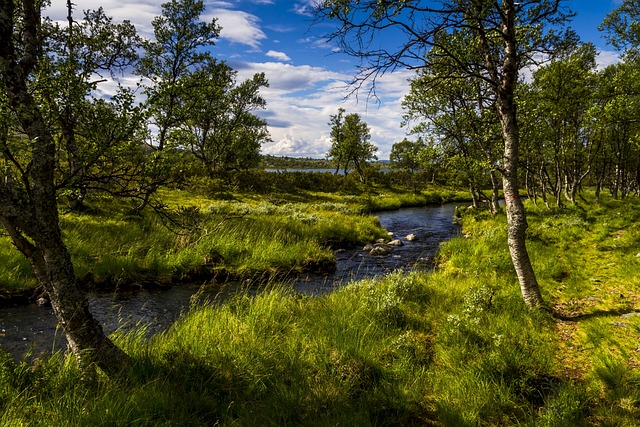
The shift from rural beginnings to a suburban lifestyle is a significant trend reshaping our nation’s communities. This evolution, driven by economic, social, and cultural factors, has profound implications for real estate markets. As populations grow and urban centers become increasingly crowded, many families are seeking alternative living arrangements, leading to a surge in interest for suburban properties. The role of real estate naturally plays a pivotal role in this transformation, as it not only facilitates the move but also shapes the character of these new suburban areas.
Suburban communities, traditionally known for their family-friendly atmospheres and greener spaces, are now experiencing intense development pressures. Real estate developers have recognized this demand, leading to a wave of innovative projects that blend residential housing with retail, recreational, and commercial amenities. For instance, mixed-use developments offer walkable neighborhoods where residents can access jobs, schools, and entertainment without lengthy commutes. This trend not only enhances the quality of life but also promotes sustainable growth patterns. According to recent studies, suburban real estate markets have shown remarkable resilience, with property values appreciating at a steady rate, outpacing urban centers in some regions.
However, navigating this suburban shift requires careful consideration from both developers and homebuyers. As populations relocate, there’s a growing need for diverse housing options catering to various age groups and lifestyles. This includes not only single-family homes but also apartments, condos, and co-living spaces. Real estate professionals should focus on understanding local market dynamics, zoning regulations, and community preferences. By aligning development projects with these factors, they can foster vibrant suburban communities that meet the diverse needs of their residents. For homebuyers, exploring suburban options early in the search process can unlock a range of benefits, including larger living spaces, better school districts, and improved overall well-being.
Evolving Landscape: Community Transformation

The evolution of rural communities into vibrant suburban landscapes is a significant trend reshaping the American panorama. This transformation is not merely about physical changes; it reflects a deep-seated shift in lifestyle, culture, and economic opportunities. As populations grow and urban centers become increasingly dense, many are seeking alternative lifestyles that offer a balance between nature’s embrace and modern conveniences. Real estate has been at the forefront of this transition, playing a pivotal role in shaping these communities into thriving suburban hubs.
The changing landscape is evident in diverse forms: historic farms giving way to modern housing developments, once-remote areas becoming interconnected suburbs, and rural towns embracing new economic opportunities. This evolution often begins with infrastructure upgrades—the arrival of high-speed internet, improved road networks, and access to quality education attracts businesses and residents alike. Developers recognize this potential, investing in mixed-use projects that blend residential, commercial, and recreational spaces. For instance, former agricultural lands are transformed into master-planned communities offering walkable streets, parks, and a diverse range of housing options, catering to families, young professionals, and retirees.
Community transformation goes beyond real estate; it involves social and cultural dynamics. Local businesses thrive as residents support nearby shops and restaurants, fostering a sense of belonging and civic pride. Schools become hubs of activity, organizing community events that bring people together. This organic growth requires careful planning to preserve the natural environment while accommodating development. Experts suggest sustainable practices, such as green spaces integration, energy-efficient design, and smart urban planning, ensuring these communities thrive ecologically and socially. As suburban landscapes evolve, so too do the lives of their residents, creating a harmonious blend of rural serenity and modern amenities.