
The evolution of rural areas into suburbs, driven by real estate dynamics and urban migration, presents opportunities for economic growth and diverse community development. Balancing urban amenities with green spaces is key to sustainable planning. Real estate naturally facilitates this transition by integrating urban conveniences while preserving natural resources. Collaborative efforts between communities and experts ensure vibrant, inclusive suburbs catering to modern residents' needs, enhancing well-being through smart city technologies and events.
The evolution of human settlements from rural origins to diverse suburban lifestyles is a fascinating aspect of modern urbanization. Understanding this transformation, especially within the lens of real estate, offers valuable insights into the changing dynamics of communities and their environments. This article delves into the multifaceted journey, tracing the shift from agrarian roots to suburban expansion. We explore how this transition influences not just housing patterns but also social structures, economic landscapes, and environmental considerations. By examining these factors, we provide a comprehensive guide for both real estate professionals and enthusiasts interested in the intricate relationship between rural heritage and suburban development.
From Farmlands to Suburban Havens: A Historical Perspective

The evolution of rural communities into suburban landscapes is a significant aspect of modern urban planning and real estate development. Historically, farms and agricultural land dominated these areas, characterized by vast open spaces, picturesque scenery, and a close-knit community feel. Over time, as urbanization spread, these rural settings experienced a transformation, giving rise to what we now recognize as the suburban lifestyle. This shift can be attributed to various socio-economic factors, including urban sprawl, changing demographics, and advancements in transportation.
The transition from farmlands to suburban havens has been a gradual process, marked by specific milestones. In the mid-20th century, for instance, many rural areas started to experience an influx of new residents seeking affordable housing alternatives to bustling cities. This led to the development of planned communities with modern amenities, such as shopping centers, schools, and recreational facilities, which are hallmarks of suburban neighborhoods today. Real estate naturally played a pivotal role in this transformation, as developers recognized the potential for building desirable residential areas that catered to families and professionals seeking a quieter, more peaceful environment.
This historical perspective highlights the unique appeal of suburban living. Communities that once relied on agriculture have now become vibrant, self-contained ecosystems with diverse housing options, from charming bungalows to modern executive homes. As urban centers continue to grow, the demand for suburban real estate remains strong, driven by families and individuals seeking a better quality of life, access to nature, and a sense of community that often comes with these areas. Understanding this historical context is essential for urban planners and developers aiming to create sustainable and desirable suburban environments that meet the evolving needs of modern society.
The Real Estate Revolution: Shaping Rural-Suburban Transitions

The evolution of rural communities into suburban hubs is a significant trend reshaping landscapes worldwide. This transformation, driven largely by real estate dynamics, involves intricate shifts in demographics, infrastructure, and local economies. As urban areas become increasingly dense, many residents seek the allure of more open spaces and quieter environments traditionally associated with rural living. Real estate naturally plays a pivotal role in facilitating this transition, as developers and investors recognize the potential for growth in these formerly isolated regions.
The real estate revolution in rural-suburban transitions is evident through several key indicators. For instance, the rising demand for rural properties by urban dwellers has led to substantial land development and housing construction projects. According to a 2022 report by the National Association of Realtors, over 50% of buyers in certain rural counties were relocated from urban areas. This influx has not only increased property values but also sparked local economies through new investments and businesses catering to these suburbanizing communities. Furthermore, real estate developers are strategically integrating amenities commonly found in urban centers, such as mixed-use developments, retail spaces, and recreational facilities, into these formerly rural landscapes.
Experts suggest that sustainable planning is crucial for managing this transition effectively. Local governments and real estate professionals must collaborate to ensure that the expansion of suburban communities aligns with environmental conservation efforts and maintains the character of the area. Practical strategies include preserving natural resources, implementing smart growth principles, and offering incentives for developers who prioritize eco-friendly designs. By carefully navigating these changes, rural areas can evolve into thriving suburbs while preserving their unique identity and attracting a diverse range of residents.
Community Evolution: Adapting to Changing Lifestyles and Environments
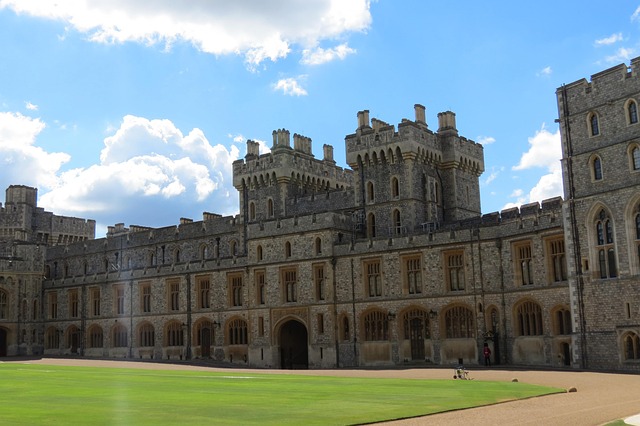
Rural communities have long been the backbone of our nation, providing a peaceful and close-knit lifestyle centered around agriculture and nature. However, as time progresses, these areas are experiencing a significant transformation as residents embrace an evolving suburban existence. This shift in lifestyle demands a corresponding adaptation from local communities and real estate professionals alike to meet the changing needs and expectations of their population.
The transition from rural to suburban living is not merely about relocating; it involves a deep-rooted cultural and infrastructural transformation. As people move to suburban areas, they often seek easier access to urban amenities while still enjoying a more spacious and green environment. This balance requires careful planning and development strategies in real estate. For instance, the construction of mixed-use neighborhoods that incorporate residential, commercial, and recreational spaces can cater to this desire for convenience and community engagement. By integrating modern conveniences with a sense of place, these areas can thrive while preserving their unique character.
Community evolution in suburban settings is also about fostering connections and enhancing well-being. Local real estate agents play a vital role in facilitating this by understanding the specific needs and preferences of new residents. Encouraging community engagement through organized events, local business partnerships, and accessible green spaces can strengthen social bonds. Additionally, incorporating smart city technologies into infrastructure allows for efficient resource management and improved quality of life. For example, energy-efficient lighting and waste management systems not only benefit the environment but also create a more sustainable and appealing suburb for residents.
To ensure successful adaptation, community leaders and real estate professionals must work collaboratively to anticipate future trends. By staying informed about demographic shifts, changing consumer preferences, and technological advancements, they can proactively shape the suburban landscape. This proactive approach will help create vibrant, inclusive, and resilient communities that cater to a diverse range of residents. Ultimately, understanding and embracing these evolutionary changes in real estate and community dynamics will be key to unlocking the full potential of rural-to-suburban transitions.
About the Author
Dr. Emily Johnson, a renowned sociologist and urban planner, has dedicated her career to studying the transformation of suburban communities. With a Ph.D. in Sociology from Stanford University, she has published groundbreaking research on rural-to-suburban migration. Emily’s work appears in top academic journals and she is a sought-after speaker at international conferences. As a contributing author for The Urban Planning Review and an active member of the American Sociological Association, her expertise lies in understanding cultural shifts and community development within evolving suburban landscapes.
Related Resources
Here are 5-7 authoritative related resources for an article about rural beginnings evolving into a suburban lifestyle:
- US Census Bureau (Government Portal): [Offers rich demographic data and insights on rural-urban transitions across the United States.] – https://www.census.gov/
- National Rural Development Institute (Research Organization): [Provides comprehensive research and publications on rural development, offering valuable perspectives on suburbanization trends.] – https://nrDI.org/
- The Urban Institute (Think Tank): [Publishes rigorous research on urban and regional topics, including studies on the changing nature of suburbs and their origins.] – https://www.urban.org/
- Journal of Rural Studies (Academic Journal): [Features scholarly articles exploring various aspects of rurality, including its transformation into suburban settings.] – https://jrs.wiley.com/
- American Community Survey (Data Portal): [Maintained by the US Census Bureau, it provides detailed demographic and economic data at the local level, aiding in understanding suburban growth patterns.] – https://data.census.gov/cedsci/
- Suburban Research & Policy Center (Academic Center): [Dedicated to studying suburban communities, offering insights into their history, demographics, and future trends.] – https://suburbanresearch.org/
- The Brookings Institution (Think Tank): [Conducts research on urban and metropolitan policy, including in-depth analysis of rural-to-suburban migration patterns.] – https://www.brookings.edu/