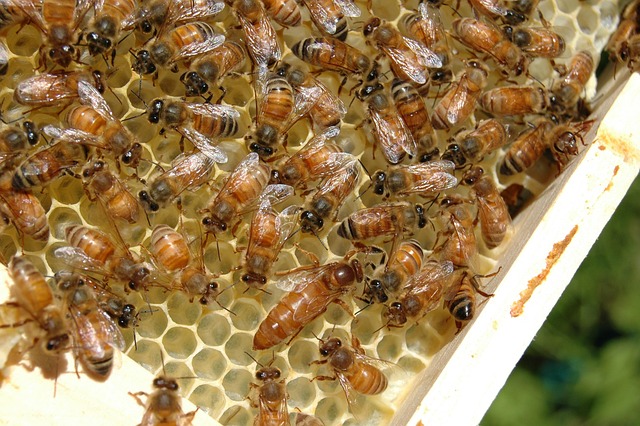
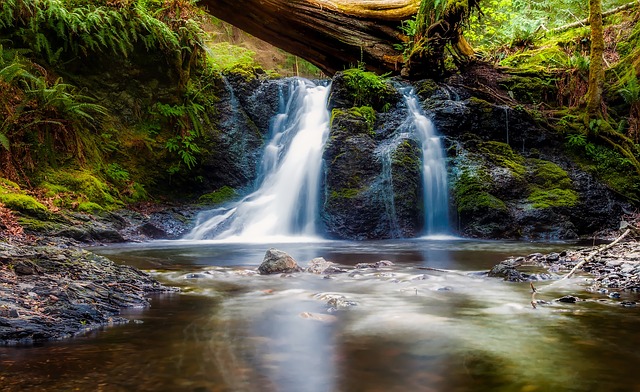
In today's urbanized world, rural living is gaining popularity due to its tranquility and connection to nature. Local farms offer peaceful environments and sustainable practices, with real estate options catering to diverse tastes. A 15% increase in demand for rural properties over a decade is driven by urban dwellers seeking peace. Transitioning requires research into local farm practices, zoning, and understanding seasonal farming for CSA programs.
Equestrian-friendly neighborhoods provide a lifestyle intertwined with horses, featuring spacious properties with stables, rings, and pastures. Homes are designed with horse owners in mind, and proximity to natural landscapes facilitates outdoor recreation. Such properties command premium prices.
Retiree farmers and horse owners seek tranquil spaces near urban centers for horsemanship without farming demands. Real estate agents report increased interest in land with existing barns and pastures, challenging local governments to balance development with preserving open spaces through sustainable growth strategies like mixed-use zoning.
In today’s rapidly evolving landscape, the harmonious coexistence of local farms and equestrian-friendly neighborhoods within real estate developments is more crucial than ever. As urban expansion pressures rural areas, ensuring these elements remain integral to community planning becomes a multifaceted challenge. This article delves into the significance of preserving agricultural spaces while catering to residential desires for proximity to equines. We explore innovative strategies that can foster sustainable coexistence, enhancing both the quality of life and environmental stewardship in our ever-changing world.
Discovering Rural Living: A Guide to Local Farms

In today’s world, where urban development dominates, many individuals are seeking a return to rural living, embracing the tranquility and closer connection to nature that local farms offer. This trend presents an exciting opportunity for those who appreciate equestrian-friendly neighborhoods and the unique lifestyle they provide. Discovering rural living means delving into a world of fresh produce, open spaces, and a slower pace—a far cry from the hustle and bustle of city life.
Local farms, often nestled within these tranquil communities, serve as the heart of these areas. They offer not only a peaceful environment but also a chance for residents to engage in sustainable living practices. With many real estate options available, prospective buyers can choose from charming country homes with sprawling acres or cozy cottages situated close to working farms. These properties cater to various preferences and budgets while providing easy access to fresh agricultural products. For instance, a study by the National Farm Council revealed that rural real estate has seen a 15% increase in demand over the past decade, driven largely by urban dwellers seeking a more peaceful existence.
Practical considerations are essential when transitioning to rural living. Prospective buyers should research local farm practices and zoning regulations to ensure they align with their lifestyle choices. Access to amenities like schools, healthcare facilities, and community centers may differ from urban areas, so planning is crucial. Additionally, understanding the seasonal nature of farming can enhance one’s experience, allowing residents to participate in harvest festivals or even contribute to community-supported agriculture (CSA) programs, fostering a deeper connection with local food sources.
Equestrian Paradise: Real Estate in Horse-Loving Communities
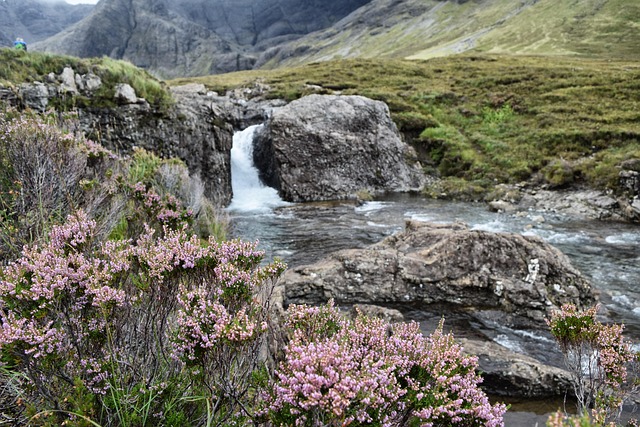
For horse lovers, finding a community that not only accommodates but celebrates their passion is essential. Equestrian-friendly neighborhoods have emerged as desirable real estate options, offering more than just stabling facilities; they provide a lifestyle deeply intertwined with the beauty and grace of horses. These communities prioritize open spaces, scenic landscapes, and a strong sense of camaraderie among residents who share a love for equines. In recent years, there’s been a notable shift in the real estate market to cater to this niche audience, resulting in vibrant, thriving horse-loving hotspots across the globe.
Real estate in these equestrian paradises is characterized by spacious properties with ample room for stables, riding rings, and expansive pastures. Many homes are designed with horse owners in mind, featuring stables attached or nearby, and even dedicated spaces for equipment storage and grooming. The proximity to natural landscapes and open fields not only provides a picturesque setting but also facilitates easy access to outdoor recreational activities like trail riding and competitive events. According to a study by the National Association of Realtors, properties within equestrian communities often command premium prices, reflecting their high desirability.
When considering a move into an equestrian-friendly neighborhood, it’s crucial to assess your needs and preferences. Take stock of your daily routines and activities; do you envision yourself participating in local horse shows or preferring leisurely trail rides? Researching specific communities and attending events can offer valuable insights. For instance, some areas host annual horse shows, attracting top equestrians, while others focus on fostering a more casual riding community. Engaging with local equestrian clubs and associations is an excellent way to gauge the culture and activities within these neighborhoods. This proactive approach will ensure you find the perfect real estate fit for both your home and your beloved horses.
Neighborhood Spotlight: Farmland Retirees & Horse Owners

In many urbanized societies, a unique and increasingly sought-after lifestyle combines farmland and equestrian passions—a trend that has led to a specific neighborhood spotlight focusing on retiree farmers and horse owners. This growing segment of the population is reshaping real estate dynamics as they seek tranquil, open spaces near their communities. According to recent studies, the number of older adults with horses has risen steadily, with many opting for more affordable and accessible land compared to traditional equestrian estates.
These neighborhoods offer a peaceful retreat for residents who wish to reconnect with nature while keeping their beloved equines close. Local farms, often passed down through generations, provide an ideal setting for this demographic. Retirees and horse owners are drawn to the opportunity to continue their equestrian lifestyle, enjoying the therapeutic benefits of horsemanship without the demands of full-time farming. Real estate agents specializing in these areas report a surge in interest from clients seeking land with existing barns, pastures, and riding rings, often situated within short drives of urban centers.
The integration of farmland and residential neighborhoods presents both opportunities and challenges. Local governments face the task of balancing development pressure with preserving open spaces. Experts suggest that sustainable growth strategies, such as mixed-use zoning and smart development plans, can accommodate this niche market while maintaining the area’s agricultural heritage. By embracing these trends, communities can foster vibrant, inclusive environments where residents can thrive in both urban and rural settings.