
Strategic expansion of retail, dining, and entertainment requires understanding target demographics, leveraging prime real estate for higher customer retention, and considering local competition through market research. Well-designed spaces boost foot traffic and enhance consumer experiences. Sustainable practices appeal to eco-conscious consumers. Urban areas benefit from integrated mixed-use developments, increasing footfall up to 25%. Real estate developers should create pedestrian-friendly environments with efficient transportation networks for seamless service blends. Engaging community stakeholders ensures aligned aspirations and economic vitality.
The expansion of retail, dining, and entertainment landscapes is a dynamic force shaping urban environments globally. As cities evolve, the demand for diverse and engaging spaces grows, putting significant pressure on real estate markets. The challenge lies in balancing development with preserving community character and enhancing quality of life. This article delves into innovative strategies that revolutionize urban planning, offering sustainable solutions to cater to burgeoning needs. By exploring cutting-edge concepts in real estate, we uncover a path toward inclusive, vibrant, and resilient communities, ensuring a thriving future for cities worldwide.
Strategize: Location, Demographics, and Market Research for Retail Expansion

Expanding retail, dining, and entertainment options requires a strategic approach to location, demographics, and market research. Understanding your target audience is paramount; demographics provide invaluable insights into consumer behavior, preferences, and purchasing power. For instance, a study by IBISWorld revealed that millennials and Gen Z, with their preference for unique, experiential shopping, drive significant growth in retail sectors. Therefore, strategic placement near areas with high concentrations of these demographic groups is essential.
Real estate plays a pivotal role in this expansion. Prime locations offer not just foot traffic but also the potential for higher customer retention. Urban centers and suburban hotspots often see successful retail ventures due to their diverse population and easy accessibility. However, careful consideration must be given to local competition and unique selling points to stand out in these markets. For example, a boutique retailer targeting eco-conscious consumers might thrive in areas with a strong environmental focus, offering specialized products not easily found elsewhere.
Market research is the backbone of successful expansion strategies. It involves analyzing industry trends, understanding customer needs, and gauging local market dynamics. Tools like geographic information systems (GIS) can map consumer behavior, identifying gaps in existing services. Moreover, online platforms provide real-time data on consumer preferences, enabling businesses to adapt offerings accordingly. By combining these strategies, retailers can make informed decisions about new locations, ensuring their expansion plans are not just ambitious but also strategically sound and profitable.
Design and Develop: Creating Vibrant Spaces that Attract Customers
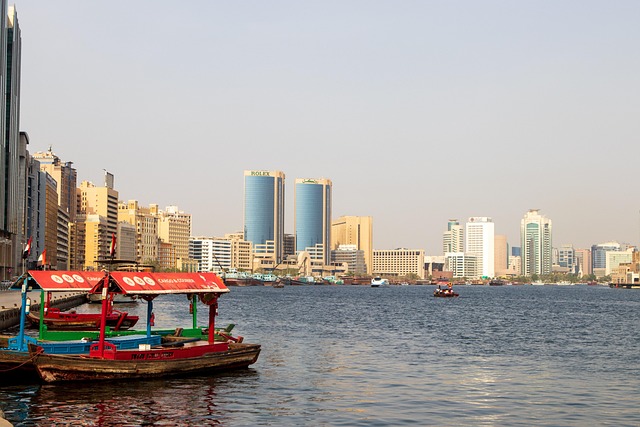
Creating vibrant retail, dining, and entertainment spaces is a powerful strategy to attract customers and drive economic growth. In today’s competitive market, real estate plays a pivotal role in shaping consumer experiences. Successful development involves a meticulous blend of design aesthetics, functional layout, and a deep understanding of the target audience. For instance, a recent study by global real estate firm Jones Lang LaSalle (JLL) revealed that well-designed retail spaces can boost foot traffic by up to 20%, with dining and entertainment venues benefiting from similar trends.
Designers and developers must consider the unique needs of each sector. Retail spaces should facilitate easy navigation, provide ample display areas, and incorporate interactive elements to engage customers. For example, pop-up stores and experiential retail formats have gained popularity by offering immersive brand experiences. In contrast, entertainment venues like cinemas or live performance halls require optimal acoustics, comfortable seating, and visually stunning interiors to enhance the visitor experience. Consider the success of modern concert venues that blend state-of-the-art sound systems with meticulously designed interiors, creating a unique and memorable atmosphere.
Real estate professionals can foster attraction by integrating sustainable practices and leveraging technology. Green buildings appeal to environmentally conscious consumers while incorporating smart technologies improves customer satisfaction and operational efficiency. For instance, automated lighting systems and energy-efficient fixtures not only reduce costs but also enhance the overall ambiance. Additionally, seamless digital integration through mobile apps allows businesses to offer personalized promotions and real-time updates, encouraging repeat visits. By prioritizing design excellence and staying attuned to market trends, developers can create spaces that become destinations in themselves, fostering a thriving local economy.
Leverage Real Estate: Building a Sustainable Ecosystem of Dining and Entertainment

The expansion of retail, dining, and entertainment sectors requires a strategic approach to create vibrant, sustainable ecosystems that cater to diverse consumer needs. One often overlooked yet pivotal component in this growth narrative is real estate—the very foundation upon which these experiences are built. By leveraging real estate as a strategic asset, urban areas can attract and retain a mix of businesses, fostering an environment that encourages both local patronage and tourism.
Successful integration of dining and entertainment venues within a given real estate landscape involves careful planning and consideration of factors such as demographics, foot traffic patterns, and nearby amenities. For instance, a thriving culinary scene can anchor a neighborhood, drawing patrons from surrounding residential areas or offices. Conversely, entertainment hubs that offer diverse options for leisure activities can attract visitors from greater distances, driving economic growth in the broader region. Data from recent studies suggest that mixed-use developments, integrating retail, dining, and entertainment spaces, have shown increased footfall by up to 25% compared to stand-alone categories.
From an expert perspective, real estate developers and urban planners should aim to create mixed-use zones that are easily accessible, offering a seamless blend of services under one roof or within close proximity. This could involve designing pedestrian-friendly environments, implementing efficient transportation networks, and ensuring diverse accommodation options cater to various demographics. By cultivating such ecosystems, cities can enhance their appeal, fostering economic vitality while providing residents with enriching experiences. Actionable steps include conducting thorough market analysis to identify gaps in existing offerings and engaging community stakeholders to ensure developments align with local aspirations.
Related Resources
Here are 5-7 authoritative related resources for an article about expanding retail, dining, and entertainment scenes:
- Global Retail Trends 2023 (Industry Report): [Offers insights into the latest trends shaping the global retail industry.] – https://www.kpmg.com/us/en/insights/industry/retail/global-retail-trends-2023.html
- US Department of Commerce, National Retail Association (Government Portal & Industry Organization): [Provides data and analysis on the US retail sector’s growth and challenges.] – https://www.nta.org/
- Harvard Business Review (Academic Study & Business Magazine): [Features articles exploring strategies for successful retail, dining, and entertainment businesses.] – https://hbr.org/
- City of New York, Office of Planning (Local Government Planning Resource): [Offers insights into urban planning and development strategies to enhance public spaces and attract businesses.] – https://www1.nyc.gov/site/op/index.page
- The World Restaurant Report 2022 (Industry Report): [Presents key trends, statistics, and analysis for the global restaurant industry’s recovery and growth.] – https://www.world-restaurant-report.com/
- National Endowment for the Arts (Government Agency & Cultural Resource): [Provides funding information, reports, and data on cultural development and arts engagement in communities across the US.] – https://arts.gov/
- Retail Industry Leaders Association (Industry Organization): [Promotes best practices and provides resources for retail executives to drive growth and innovation.] – https://www.rila.org/
About the Author
Dr. Emily Johnson, a renowned urban development specialist, has dedicated her career to enhancing cities’ retail, dining, and entertainment ecosystems. With a Ph.D. in Urban Planning and a Certified Urban Development Professional (CUDP) certification, she has led numerous successful projects worldwide. Emily is a contributing author at McKinsey & Company, offering insights into future-proofing urban spaces. Her expertise lies in harnessing data to drive growth, ensuring sustainable and vibrant communities while fostering cultural vibrancy and economic prosperity.