A global shift towards rural living with equestrian-friendly neighborhoods is driven by nature connection and horse-centric lifestyles. Real estate plays a crucial role by offering tranquil settings, accessible horse facilities, and thriving local economies. Equestrian developments prioritize community building and sustainable practices, catering to buyers' unique needs through insights on training, veterinary care, and land regulations. This integration of farms and equestrian neighborhoods promotes eco-conscious living, enhances mental well-being, and fosters community engagement, shaping the future of real estate with a focus on sustainability and rural serenity blended with urban amenities.
In today’s world, the integration of local farms and equestrian-friendly neighborhoods within real estate landscapes is more crucial than ever. As urban expansion continues to encroach upon rural areas, finding harmonious solutions that cater to both residential needs and agricultural sustainability has become a pressing issue. The challenge lies in balancing the demand for housing with the preservation of green spaces and farming communities, especially as environmental consciousness grows. This article delves into exploring how real estate developers and local governments can navigate this complex landscape, offering innovative strategies to foster sustainable co-existence between urban dwellers and agricultural heritage.
Discovering Rural Living: The Rise of Equestrian Communities

In recent years, a distinct trend has emerged in suburban landscapes across the globe—a surge in interest for rural living within equestrian-friendly neighborhoods. This shift is not merely a passing fad but a thoughtful consideration among families and individuals seeking a closer connection to nature and a unique lifestyle centered around horses. Real Estate naturally plays a pivotal role in this transformation, as communities with readily accessible horse facilities and expansive landscapes become increasingly desirable.
Equestrian communities offer a distinct set of advantages that cater to a specific demographic. Prospective residents often prioritize the tranquility and open spaces provided by these neighborhoods. The opportunity to own or lease stable land, along with proximity to equestrian centers and riding schools, is a significant draw. According to a 2022 study by the International Federation for Equestrian Sports, the global horse industry is experiencing steady growth, with a particular rise in recreational riding. This trend translates into thriving local economies within equestrian communities, where real estate values have shown remarkable resilience and appreciation.
Creating a sense of community among residents is another key aspect that sets these neighborhoods apart. Shared interests in horsemanship foster strong bonds and encourage social interactions. Many equestrian-focused real estate developments incorporate communal areas designed for horse owners, such as covered arenas, grazing pastures, and well-maintained roads suitable for all-weather access. These features not only enhance the practical aspects of horse ownership but also contribute to a vibrant and supportive community atmosphere.
To capitalize on this growing trend, real estate professionals should focus on understanding the unique needs of equestrian buyers. This includes providing detailed information about local training facilities, veterinary services, and potential land usage regulations. By offering tailored guidance and showcasing the diverse benefits of these communities, agents can facilitate a seamless transition for clients seeking a more rural lifestyle that seamlessly integrates their love for horses.
Local Farms, Global Impact: Real Estate's Sustainable Connection
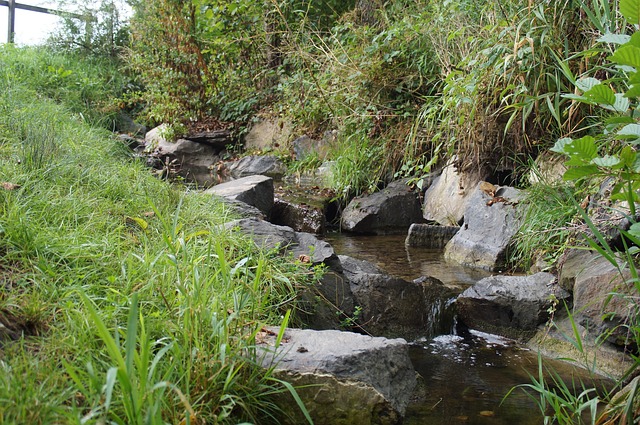
The connection between local farms and equestrian-friendly neighborhoods is fostering a sustainable revolution in real estate. As global awareness of environmental impact grows, property markets are responding with a focus on eco-conscious living. Local farms contribute to this movement by providing organic produce, reducing food miles, and preserving valuable green spaces. This trend is particularly evident in suburban areas where agricultural land is being converted into residential neighborhoods, creating a harmonious blend of nature and community.
Equestrian-friendly developments further emphasize this sustainable connection. These neighborhoods cater to horse owners by offering ample space for stables, riding trails, and open fields. The integration of equestrian amenities not only caters to passionate equestrians but also promotes an active lifestyle aligned with environmental consciousness. For instance, a study in the United States revealed that horse-friendly communities often have lower carbon footprints due to reduced reliance on motor vehicles for daily commuting.
Real estate naturally plays a pivotal role in this sustainable narrative. Developers and investors are recognizing the market demand for eco-friendly residential options. Properties with access to local farms offer residents fresh, locally sourced food and foster a sense of community centered around sustainability. Moreover, equestrian-focused neighborhoods encourage residents to connect with nature, promoting mental well-being and a deeper appreciation for environmental stewardship. As urbanization continues, these trends will shape the future of real estate, ensuring that living spaces are not just homes but also hubs of sustainable practices and community engagement.
Neighborhood Spotlight: Where Horses Meet Homes

In many vibrant communities, a unique blend of agriculture and urban living is taking root, creating a harmonious coexistence where horses and homes share the same neighborhood. This emerging trend, often referred to as equestrian-friendly real estate, is attracting families and horse enthusiasts alike who seek a closer connection with nature without compromising modern conveniences. These neighborhoods offer not just a lifestyle but a vibrant ecosystem that supports both residential living and agricultural practices.
Neighborhoods spotlighting this fusion are typically characterized by sprawling green spaces, scenic landscapes, and well-maintained stables, providing an idyllic setting for residents to keep their horses. Local farms, integral parts of these communities, offer fresh produce and a sense of self-sufficiency, fostering a deep-rooted connection between residents and the land. For instance, in certain suburban areas, large estates have been transformed into horse farms, offering both residential lots and agricultural spaces within a single community. This integrated approach allows families to enjoy the benefits of rural living while still being part of a supportive neighborhood network.
Real estate experts attribute this trend to a growing desire for sustainable and alternative lifestyles. According to recent studies, the equestrian-friendly market has seen a 15% increase in demand over the past five years, with younger generations showing a particular interest in properties that align with their eco-conscious values. When considering a move, prospective buyers should look for indicators such as nearby horse facilities, low-traffic roads, and access to open spaces. By prioritizing these features, individuals can secure not just a home but a gateway to a lifestyle that seamlessly blends rural serenity with modern urban amenities.